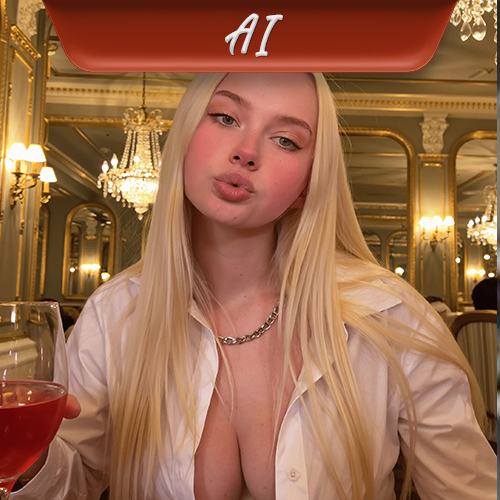
The influencer marketing environment has been experiencing a significant transformation. Though human creators remain prevalent on social media, a novel type of digital persona has surfaced, existing solely within pixels and code, unaffected by time or the need for rest. Artificial intelligence influencers are no longer a concept of the future;
Understanding the AI Influencer Phenomenon
AI influencers are computer-generated characters designed to mimic human influencers across social media platforms. Unlike traditional CGI characters used in films, these digital personas maintain consistent social media presences, post regular content, engage with followers, and partner with brands for sponsored content. They inhabit an uncanny valley between fiction and reality, carefully crafted to resonate with specific audience demographics.
The technology behind these virtual personalities has advanced dramatically. Early iterations appeared obviously artificial, with stiff movements and unconvincing expressions. Today’s AI influencers leverage sophisticated rendering engines, motion capture technology, and increasingly, generative AI tools that help create their content, captions, and even conversational responses. Some are designed to look hyper-realistic, while others embrace a stylized aesthetic that acknowledges their digital nature.
What makes this phenomenon particularly intriguing is the genuine connections these virtual beings forge with real people. Followers engage with AI influencers’ content, leave comments, purchase recommended products, and develop parasocial relationships that mirror those formed with human creators. This psychological dynamic reveals something fundamental about modern social media: audiences often prioritize consistency, aesthetic appeal, and aspirational content over the traditional requirement of “realness.”
The Business Case for Virtual Influence

From a marketing perspective, AI influencers offer compelling advantages. They provide absolute control over brand messaging, eliminate the risks associated with human behavior scandals, and can be available 24/7 for content creation. A virtual influencer won’t have a public meltdown, won’t demand contract renegotiations after going viral, and can be instantly adapted to align with shifting brand strategies.
Cost efficiency represents another significant factor. While creating a high-quality AI influencer requires substantial upfront investment in design, technology, and strategy, the long-term economics often favor virtual personalities. There are no travel expenses, no team of agents and managers, and content production can scale more efficiently than with human creators who have physical limitations.
Platforms like Ntice are emerging to help brands and creators navigate this new landscape, offering tools that bridge traditional influencer marketing with AI-enhanced capabilities. As the industry matures, infrastructure develops to support both the creation and management of these digital personalities.
Several brands have already achieved remarkable success with AI influencer partnerships. Fashion labels, beauty companies, and lifestyle brands have found that virtual influencers can embody their ideal customer persona with perfect consistency. These digital personalities can wear outfits that exist only as 3D renders, appear in impossible locations, and maintain an aesthetic coherence that human influencers might struggle to replicate.
The Creator Economy Response
The emergence of AI influencers has prompted diverse reactions from human creators. Some view virtual personalities as existential threats, while others see opportunities for collaboration and hybrid models. Forward-thinking influencers are exploring how AI tools can enhance rather than replace their work—using generative technology for ideation, content optimization, and audience analysis.
Interestingly, some platforms are positioning themselves at this intersection. Fanvuemodels, for instance, operates in the creator economy space where discussions about AI integration and digital personalities are increasingly relevant. As the lines between human and AI-generated content blur, platforms must navigate complex questions about transparency, value proposition, and what audiences actually want.

Human creators possess irreplaceable qualities: genuine life experiences, spontaneous reactions, authentic emotional connections, and the unpredictability that makes content feel alive. The most successful human influencers are leaning into these distinctly human elements, emphasizing behind-the-scenes authenticity, vulnerability, and the imperfections that AI cannot convincingly replicate.
Ethical Considerations and Transparency
The rise of AI influencers raises significant ethical questions. Should platforms require disclosure when content comes from virtual personalities? How do we address the potential for these digital entities to promote unrealistic beauty standards or lifestyles? What happens when followers don’t realize they’re engaging with artificial intelligence?
Transparency has emerged as a critical concern. Some AI influencers explicitly identify as virtual, incorporating their digital nature into their brand identity. Others occupy a more ambiguous space, with creators sometimes uncertain whether their favorite personality is human or algorithmic. This deception—whether intentional or through omission—has sparked debates about consumer protection and advertising standards.
The psychological impact deserves careful consideration. If AI influencers promote products, lifestyles, or body images, their artificial nature doesn’t diminish their influence on impressionable audiences. Young followers particularly may struggle to distinguish between achievable aspirations and digitally manufactured impossibilities. Regulatory bodies are beginning to address these concerns, though legislation lags significantly behind technological capability.
There’s also the question of labor and creative attribution. AI influencers are created by teams of designers, programmers, strategists, and content creators—human workers whose contributions often remain invisible behind the virtual persona. As these digital personalities generate revenue, ensuring fair compensation and recognition for the actual humans doing the work becomes increasingly important.

The Future of Hybrid Influence
Rather than a wholesale replacement of human influencers, the future likely involves sophisticated hybrid models. We’re already seeing human creators use AI tools for content enhancement, virtual try-ons, and audience personalization. The technology enables a single influencer to create localized content for multiple markets, speak multiple languages convincingly, and test creative concepts before committing resources to full production.
Some creators are developing their own AI avatars—digital twins that can appear in content when they’re unavailable, answer common follower questions, or maintain social media presence during vacations. This augmentation approach preserves the human authenticity audiences value while leveraging AI’s scalability and consistency.
Brands will likely employ diversified influencer strategies, partnering with both human and AI creators for different campaign objectives. Virtual influencers might excel at controlled brand messaging and aesthetic consistency, while human creators drive authentic engagement, genuine testimonials, and relatable storytelling. The most sophisticated marketing strategies will deploy both types strategically, recognizing their distinct strengths.
Adapting to the New Reality
For brands, creators, and platforms, adaptation is essential. Understanding how AI influencers function, where they add value, and how audiences perceive them will determine success in this evolving landscape. The technology will continue improving, making virtual personalities increasingly convincing and capable.
Marketing professionals must develop new evaluation frameworks. Traditional influencer metrics—engagement rates, follower counts, conversion tracking—remain relevant, but additional considerations emerge with AI influencers. How do audiences respond differently to virtual versus human recommendations? Does disclosure of AI nature impact effectiveness? What content categories work best for each type of influencer?
The conversation around AI influencers ultimately reflects broader questions about technology’s role in human connection, authenticity in digital spaces, and how we define influence itself. As these virtual personalities become more sophisticated and prevalent, they challenge us to examine what we value in the content we consume and the personalities we follow.
The rise of AI influencers isn’t simply a marketing trend—it’s a fundamental shift in how digital personalities are created, consumed, and monetized. Whether this represents progress, disruption, or simply evolution depends largely on how responsibly we navigate the opportunities and challenges ahead. What remains certain is that the influencer marketing landscape will never look quite the same again.
Veuri gudi
Eu no hablo esse língua